Iran, Oil, and Stock Market Volatility
If you checked your investment accounts this week and wondered why stock markets suddenly feel jumpy again, you’re not alone.
Geopolitical headlines have dominated the news cycle, particularly the escalating conflict involving Iran. When events like this unfold, it’s natural to assume markets are reacting directly to the conflict itself.
But markets don’t interpret geopolitical events the same way people do. Investors understandably care about the humanitarian and political consequences of war. Markets tend to filter these events through a much narrower lens.
In most cases, markets care about one thing above all else: whether the conflict will disrupt the global economy. And when the Middle East is involved, that usually means one thing.
Oil.
Why Oil Matters So Much
Historically, markets tend to react to geopolitical conflict through the prism of energy prices.
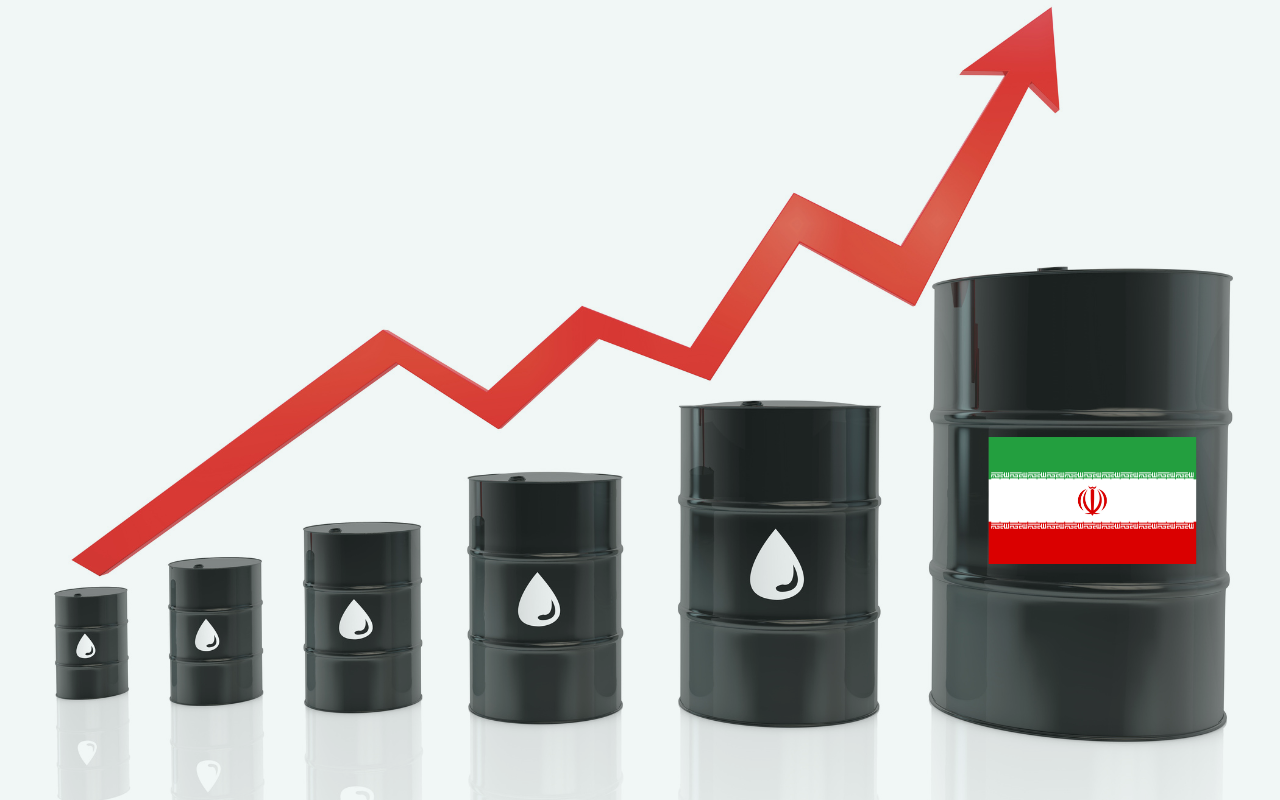
If a conflict causes oil prices to rise sharply and stay elevated for a sustained period of time, that can ripple through the entire global economy. Higher oil prices create several pressures at once.
First, they increase inflation risk. If energy costs rise significantly, it can keep inflation elevated and make it harder for central banks to lower interest rates.
Second, higher energy costs increase transportation and production expenses for businesses. When those costs rise, corporate profit margins can shrink.
Third, higher gasoline and electricity costs reduce consumer spending power. When households are forced to spend more on essential energy costs, they tend to spend less on everything else.
If those forces persist long enough, they can weigh on economic growth and corporate earnings. That’s why markets watch energy prices so closely during geopolitical conflicts.
The Key Variable Investors Are Watching
Right now, the single most important location for markets may be the Strait of Hormuz.
This narrow waterway connects the Persian Gulf to global shipping routes and serves as one of the most important oil transit points in the world. Roughly 20 million barrels of oil pass through the Strait each day, making it a critical artery for global energy supply.
Iran itself produces only a small percentage of the world’s oil supply. If Iranian production alone were disrupted, the global oil market could likely absorb that shock. But the Strait of Hormuz is different.
If shipping traffic through the Strait were significantly interrupted for an extended period of time, it could materially reduce global oil supply and push oil prices sustainably higher.
That’s the scenario markets are watching.
Why Volatility Is Rising
The volatility we’re seeing in markets right now isn’t because investors know how the situation will unfold. It’s because investors don’t know yet.
At times of geopolitical uncertainty, markets tend to react quickly as investors attempt to price in potential economic risks. Shipping traffic through the Strait briefly slowed as tanker operators assessed the security situation, which contributed to a spike in oil prices and increased volatility in global markets. But these situations can evolve quickly.
If oil shipments continue moving normally and supply remains stable, markets often settle down once the uncertainty fades.
A Helpful Historical Perspective
While geopolitical shocks can cause short-term volatility, history shows they rarely derail long-term market trends. During many major geopolitical events and wars throughout the past century, markets initially reacted negatively but recovered relatively quickly. In some cases, markets even rose during periods of global conflict.
That’s because markets are forward-looking. Investors continuously assess how events will affect future economic activity rather than simply reacting to the headlines themselves. Unless geopolitical events create sustained economic disruptions, their impact on markets tends to be temporary.
What Would Actually Hurt Markets
For investors, the real risk isn’t simply the existence of conflict. The risk is sustained economic disruption, particularly through higher energy prices.
If oil prices were to remain above roughly $80 to $90 per barrel for an extended period, it could push inflation higher and slow economic growth. That scenario would likely create a more meaningful headwind for stocks.
On the other hand, if oil prices spike briefly but then stabilize, markets have historically been able to absorb those shocks. That’s why investors are paying such close attention to energy markets right now.
Bottom Line
Moments like this can feel unsettling because headlines move quickly and markets often react before the full picture becomes clear. But it’s helpful to remember that markets are not reacting to geopolitics alone. They are reacting to the potential economic consequences of those events.
Right now, the key variable investors are watching isn’t just the conflict itself. It’s whether that conflict leads to sustained disruption in global energy supply. And that means the most important number to watch may not be a stock index at all. It may be the price of oil.
What You Should Do
The best thing to do as an investor is stay put. Don’t make any sudden moves. If you are a long-term investor, volatility is your friend. Moments like these can be great opportunities to invest as markets come down from all-time highs. If you stay disciplined and focused on your long-term investment goals, events like this will be a minor road bump on the road to financial freedom.
If you want to see if your investment strategy is positioned to meet your long-term goals, I invite you to schedule an Intro Call meeting with me. Remember, you don’t have to go it alone. I am here to help!